
 By admin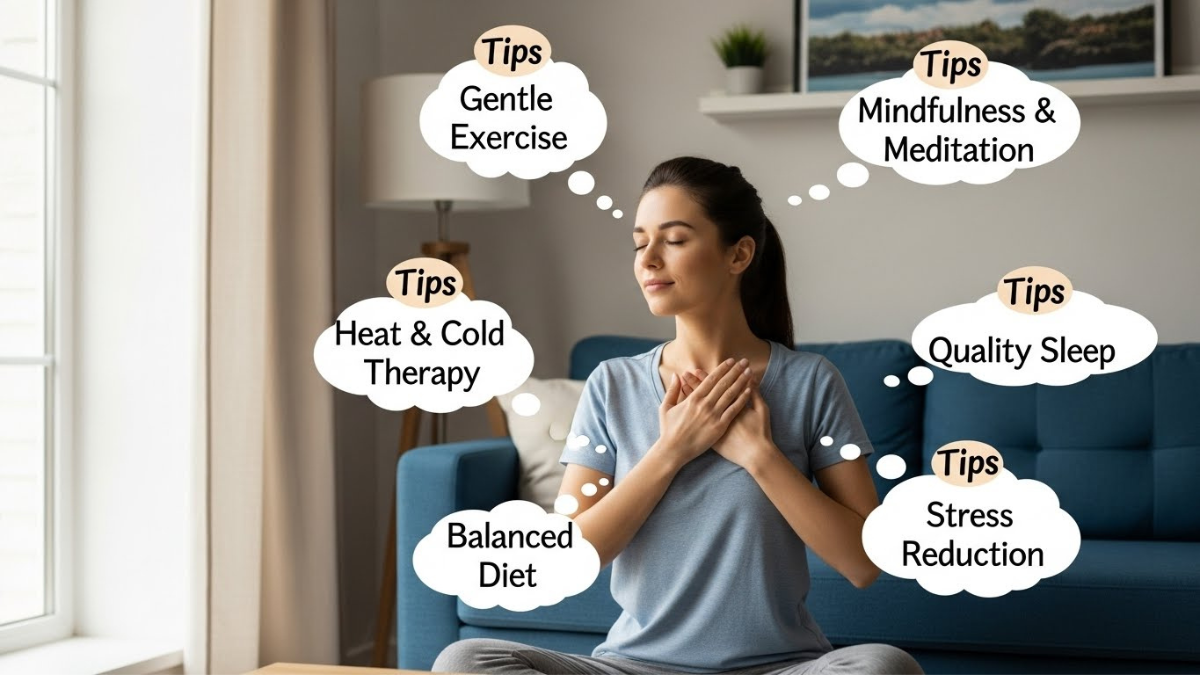
Living with inomyalgia can feel like a never-ending battle. If you’ve ever experienced chronic pain, you know how it can disrupt your daily life and affect your overall well-being. This condition is more than just an occasional ache; it weaves itself into the fabric of our everyday routines, influencing everything from sleep to social interactions.
But there’s hope! Understanding inomyalgia and its impact is the first step toward managing those relentless symptoms. With the right strategies and support systems in place, individuals living with this condition can reclaim their lives. Whether you’re newly diagnosed or have been navigating these challenges for years, this guide will provide valuable tips for coping with chronic pain and enhancing your quality of life. Let’s dive deeper into understanding what inomyalgia really means and explore actionable ways to thrive despite it all.
Understanding Inomyalgia and Chronic Pain
Inomyalgia is a complex condition that manifests as widespread muscle pain and tenderness. It often feels like an invisible weight, making daily activities challenging.
Chronic pain associated with inomyalgia can vary from person to person. Some experience sharp, stabbing sensations, while others report a dull ache that lingers throughout the day. This unpredictability can be frustrating for those affected.
The exact cause of inomyalgia remains unclear. Researchers believe it may stem from various factors such as genetics, infections, or physical trauma. Additionally, emotional stress plays a significant role in exacerbating symptoms.
Living with chronic pain means learning how to navigate life differently. Understanding the nuances of this condition empowers individuals to seek effective management strategies tailored to their needs without feeling overwhelmed by uncertainty.
Common Symptoms and Causes of Inomyalgia
Inomyalgia manifests through a range of symptoms that can vary from person to person. Fatigue is often one of the first signs, leaving individuals feeling drained even after a full night’s sleep.
Muscle pain and tenderness are common as well. People with inomyalgia may experience discomfort in specific areas or throughout their bodies. This persistent ache can disrupt daily life.
Sleep disturbances also frequently occur, making it difficult to feel rested. Many report waking up several times during the night or struggling to fall asleep due to discomfort.
Emotional challenges like anxiety and depression may arise too. The chronic nature of the condition can take a toll on mental health, adding another layer to an already complex situation.
The exact causes remain elusive, but factors such as genetics, infections, and physical trauma could contribute significantly. Stressors—both emotional and environmental—may also play a critical role in triggering flare-ups.
Treatment Options for Managing Chronic Pain
When dealing with inomyalgia, exploring various treatment options can make a significant difference. Medications often play a key role. Over-the-counter pain relievers like ibuprofen or acetaminophen may provide some relief for mild symptoms.
Physical therapy is another valuable option. A trained therapist can guide you through exercises tailored to strengthen muscles and improve flexibility. This approach helps reduce pain while enhancing mobility.
Alternative treatments, such as acupuncture or massage therapy, have gained popularity among those seeking natural relief. These methods focus on alleviating tension and promoting relaxation.
Additionally, cognitive-behavioral therapy (CBT) offers tools to manage the emotional aspects of chronic pain. It empowers individuals with coping strategies for better mental health.
Considering lifestyle adjustments—like regular sleep patterns and balanced nutrition—can support overall well-being during your journey with inomyalgia. Each person’s path is unique; finding what works best requires patience and persistence.
Lifestyle Changes to Help Alleviate Inomyalgia Symptoms
Making simple lifestyle changes can significantly help in managing the symptoms of inomyalgia.
Start by incorporating gentle exercises into your routine. Activities like yoga or swimming promote flexibility and reduce stiffness, allowing for better mobility.
Nutrition also plays a key role. Focus on a balanced diet rich in fruits, vegetables, lean proteins, and whole grains. Certain anti-inflammatory foods such as turmeric and fatty fish may help ease discomfort too.
Maintaining a consistent sleep schedule is crucial. Quality rest helps your body recover and reduces fatigue often associated with chronic pain.
Mindfulness practices can be beneficial as well. Techniques like meditation or deep-breathing exercises calm the mind and lessen stress levels, which might exacerbate pain sensations.
Consider setting realistic goals each day to avoid overwhelming yourself. Small achievements can boost morale while keeping you engaged without overexertion.
The Importance of Self-Care for Those Living with Inomyalgia
Self-care plays a crucial role for those living with inomyalgia. It’s not just about pampering yourself; it’s essential for managing chronic pain.
Taking time to focus on your physical and mental well-being can make a significant difference. Simple activities like gentle stretching, yoga, or meditation help ease tension and promote relaxation.
Establishing a routine is beneficial too. Regular sleep patterns contribute to better energy levels and mood stability, which are vital when dealing with persistent discomfort.
Nutrition matters as well. A balanced diet rich in anti-inflammatory foods may reduce some symptoms associated with inomyalgia.
Don’t forget the power of social connections. Engaging with friends or support groups provides emotional relief. Sharing experiences fosters understanding and can lessen feelings of isolation that often accompany chronic conditions.
Prioritizing self-care empowers individuals to take control of their health journey while navigating the challenges posed by inomyalgia.
Support Systems and Resources for Coping with Chronic Pain
Living with inomyalgia can feel isolating. However, building a strong support system is crucial for managing chronic pain.
Friends and family play an essential role. They can provide emotional support and practical help when needed. Sharing your experiences opens the door to understanding and compassion.
Support groups are another valuable resource. Connecting with others facing similar challenges creates a sense of community. You’ll find shared strategies and encouragement that make daily life easier.
Online forums also offer solace. Many websites host discussions where individuals exchange tips on coping mechanisms or treatment options related to inomyalgia.
Don’t forget about professional help either. Therapists, counselors, or even pain management specialists can guide you through this journey, providing tailored advice that suits your needs.
Utilizing these resources fosters resilience as you navigate the complexities of living with inomyalgia while reminding you that you’re not alone in this fight against chronic pain.
Conclusion
Living with inomyalgia can be a challenging journey, filled with ups and downs. Understanding your condition is the first step toward managing it effectively. By recognizing common symptoms and exploring potential causes, you empower yourself to seek appropriate treatment options.
Managing chronic pain often requires a multifaceted approach. Treatment plans may include medication, physical therapy, or alternative therapies tailored to individual needs. It’s essential to communicate openly with healthcare providers about what works best for you.
Lifestyle changes play a crucial role in alleviating symptoms of inomyalgia. Incorporating gentle exercise, maintaining a balanced diet, and prioritizing sleep can significantly impact your overall well-being. These small adjustments can lead to noticeable improvements over time.
Self-care is not just important; it’s essential when dealing with chronic pain. Prioritizing activities that promote relaxation and mental health can help create a more manageable daily routine amidst discomfort.
Building support systems is incredibly beneficial as well. Connecting with others who understand what you’re going through provides emotional relief and practical advice on coping strategies for living with inomyalgia.
Recognizing the complexities of this condition allows those affected by it to navigate their lives more easily while finding ways to cope effectively each day.