









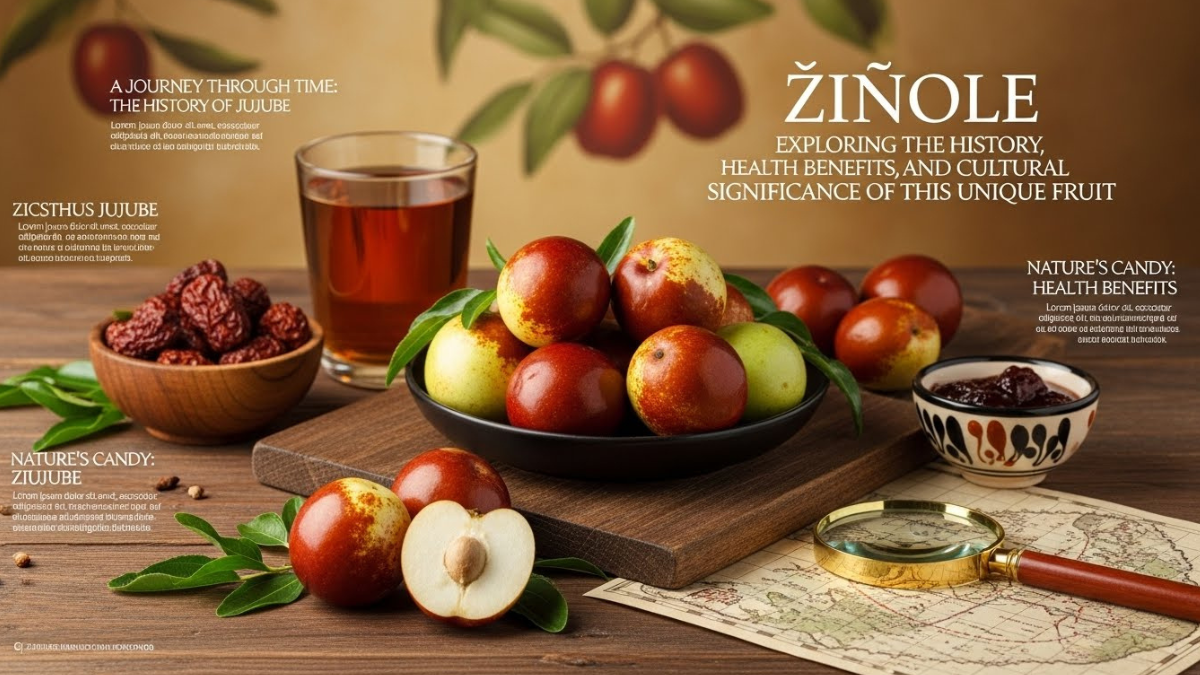
Žižole are a small but remarkable fruit that has been enjoyed for centuries across various regions, particularly in the Mediterranean and parts of Asia. Known in some places as jujube, žižole hold a special place in traditional diets and folk remedies. The keyword žižole represents more than just a fruit; it reflects cultural heritage, natural nutrition, and a deep connection between people and the land. With their sweet taste, firm texture, and impressive health properties, žižole continue to attract interest among food lovers and health-conscious individuals alike.
Understanding the Origins of Žižole
Historical Background of Žižole
The history of žižole dates back thousands of years. Ancient civilizations cultivated this fruit for both nourishment and medicinal purposes.Historical records show that people valued žižo le not only for their pleasant flavor but also for their ability to grow in diverse climates.. This resilience helped žižo le spread across continents through trade routes and cultural exchange.
Geographic Spread of Žižole
Over time, žižol e became common in Mediterranean regions, the Middle East, and parts of East Asia. Each region adapted the fruit into its local cuisine and traditions.
Today, growers cultivate žižol e trees in home gardens, orchards, and rural landscapes where people still practice traditional fruit cultivation.
The Nutritional Profile of Žižole
Key Nutrients Found in Žižole
Žižo e are rich in essential nutrients that contribute to overall well-being. They contain natural sugars, dietary fiber, and important vitamins such as vitamin C and certain B vitamins. Minerals like potassium, magnesium, and iron are also present, making žižol e a nutritionally balanced fruit.
Health Benefits of Eating Žižole
Regular consumption of žižol e may support digestion, strengthen the immune system, and promote energy levels. The fiber content aids gut health, while antioxidants found in žižol e help combat oxidative stress. These qualities have made žižol e a staple in traditional health practices for generations.
Žižole in Traditional Medicine
Folk Remedies and Natural Healing
In many cultures, people have used žižol e in traditional medicine. Healers often prepared them as teas, syrups, or dried snacks and believed they could soothe sore throats, improve sleep, and support respiratory health. Traditional practitioners considered the natural compounds in žižol e effective for calming the body and restoring balance.
Modern Interest in Žižole Remedies
Today, interest in natural and plant-based remedies has renewed attention on žižol e. Researchers and wellness enthusiasts explore how traditional knowledge aligns with modern nutritional science. While žižol e are not a cure-all, their long history of use highlights their potential supportive role in a healthy lifestyle.
Culinary Uses of Žižole
Fresh and Dried Žižole in Cooking
Žižol e can be enjoyed fresh when fully ripe, offering a crisp texture and mild sweetness. When dried, they develop a richer flavor similar to dates or apples. Dried žižol e are commonly used in baking, desserts, and snack mixes.
Traditional Recipes Featuring Žižole
Across different cultures, žižol e appear in a variety of traditional recipes.
Cultivation of Žižole Trees
Žižol e trees are known for their hardiness and adaptability. They can thrive in dry conditions and poor soils, making them suitable for sustainable agriculture. Farmers appreciate žižol e trees for their low maintenance requirements and reliable fruit production.
Harvesting and Storage of Žižole
Harvesting žižol e typically occurs when the fruit reaches full color and firmness. Fresh žižol e can be stored for short periods, while drying extends their shelf life significantly. Proper storage helps preserve the flavor and nutritional value of žižol e throughout the year.
Cultural Significance of Žižole
Žižole in Festivals and Traditions
In many communities, people associate žižol e with seasonal celebrations and family traditions. During the harvest season, families and neighbors gather to prepare and share žižol e-based dishes.
These customs strengthen social bonds and pass cultural knowledge from one generation to the next.
Symbolism Linked to Žižole
Žižol e are sometimes seen as symbols of resilience and abundance. Their ability to grow in challenging environments reflects strength and adaptability. As a result, žižol e hold symbolic value in stories, folklore, and local expressions.
Žižole and Modern Lifestyles
Renewed Popularity of Žižole
As people seek healthier and more natural food options, žižol e are gaining renewed popularity. Their natural sweetness makes them an appealing alternative to processed snacks. Health-conscious consumers appreciate žižol e for being minimally processed and nutrient-dense.
Incorporating Žižole Into Daily Diets
Adding žižol e to a modern diet is simple. They can be eaten on their own, added to breakfast bowls, or blended into smoothies. Their versatility allows them to fit easily into various dietary preferences, from traditional to contemporary eating styles.
Sustainability and the Future of Žižole
Environmental Benefits of Žižole Cultivation
Žižol e trees contribute positively to the environment. Their deep roots help prevent soil erosion, and their low water requirements make them suitable for regions facing climate challenges. Promoting žižol e cultivation supports sustainable farming practices.
Preserving the Legacy of Žižole
Preserving traditional fruits like žižol e is essential for biodiversity and cultural heritage. By supporting local growers and learning about traditional uses, communities can ensure that žižol e remain part of future food systems.
Conclusion
Žižol e are more than just a fruit; they represent history, health, and cultural identity. From their ancient origins to their modern revival, žižol e continue to offer nutritional benefits, culinary versatility, and symbolic meaning. As interest in natural foods and sustainable agriculture grows, žižol e stand out as a timeless example of how traditional ingredients can enrich contemporary lifestyles. Embracing žižol e means appreciating a fruit that has nourished bodies and cultures for generations.